
A well-placed replay on a 200-foot-wide stadium LED screen can turn a routine foul ball into a standing ovation. In 2026, venues that invest in high-brightness, high-resolution LED displays for live sports and events see measurable gains in fan engagement, sponsor revenue, and broadcast quality. Whether you manage a college arena, a minor league ballpark, or a convention center, the right digital display system transforms how audiences experience live action. This case-study roundup covers real installations and the technology decisions behind them.
The shift from static signage and manual scoreboards to dynamic LED video walls is driven by three factors: revenue, fan experience, and operational flexibility. A modern stadium LED screen can show live game footage, instant replays, sponsor ads, and real-time stats in high resolution. Venues that have upgraded report average revenue increases of 15% to 25% from advertising and premium seating, according to industry research. The Sports Business Journal points out, the key to realizing this bump in revenue is directly related to communicating the value of the upgraded experience. Upgraded LED installations create a centralized focal point. Fans look to the main “jumbotron” during timeouts, and smaller secondary screens at concourses keep them engaged even when they leave their seats. Suddenly the “nose-bleed” seats have the best view of the screens giving every fan in the house a great view of every play. The ability to switch between content types (game feed, sponsorship, social media walls) makes these systems invaluable for multi-use facilities that host concerts, esports, and corporate events. For smaller venues, a digital scoreboard from a U.S.-based manufacturer like UberDisplays offers the same technology at a fraction of the cost of legacy systems. Our Hydra series outdoor LED panels provide direct-sunlight visibility and IP65 weather protection, ensuring reliable performance from kickoff to final buzzer.
Not all live event display solutions are created equal. Venue operators must evaluate pixel pitch, brightness, refresh rate, and enclosure durability. The following table summarizes features that matter most for sports and event applications specifically in an outdoor setting. Once you have understood these key features, its then time to find the best value for your venue.
Feature | Why it Matters | Spec to Look For |
|---|---|---|
Pixel Pitch | Determines viewing distance and image clarity. Smaller pitch for close seats, larger for distance. | 3.9mm to 10mm for sports |
Brightness | Ensures visibility under direct sunlight or stadium lights. | 5,000-10,000 |
Refresh Rate | Eliminates flicker on camera broadcasts; crucial for broadcast led feeds. | ≥3840 Hz |
IP Rating | Protects against rain, dust, and humidity for outdoor led panel installations. | IP65 or higher |
Connection Type | The wrong materials or the wrong connection type can lead to lots of problems down the road. | Gold Connections Pin to Pin |
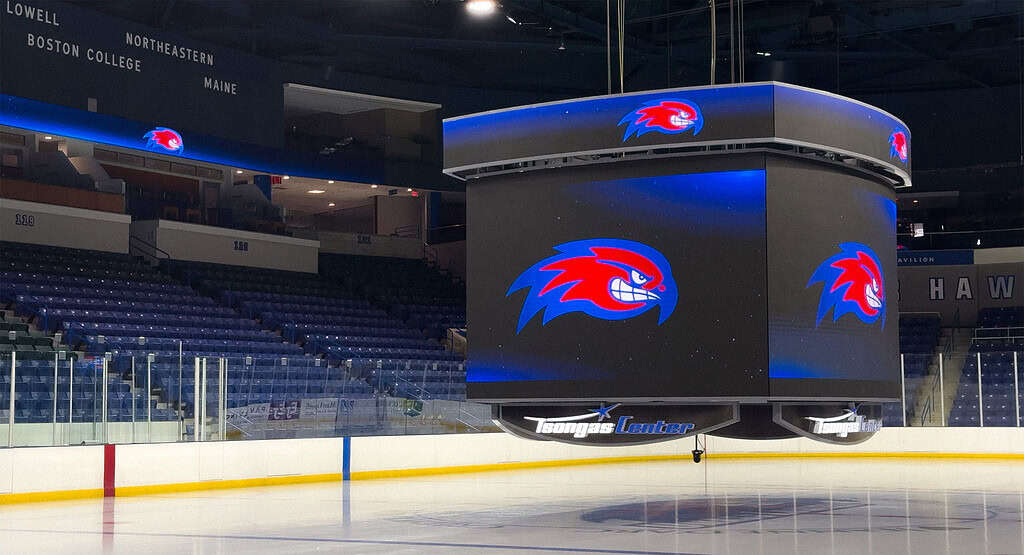
A mid-Atlantic university replaced its aging center-hung scoreboard with a custom led video wall spanning the entire baseline. The system uses 6.9mm pixel pitch indoor panels for crisp visibility from the top rows. Within three months, the athletic department sold four new sponsorship packages tied to on-screen ad rotations. The install also included sidelight LED ribbons on the scorer’s table, boosting broadcast appeal for ESPN+ streams. Read more about similar sports LED displays in our product lineup.
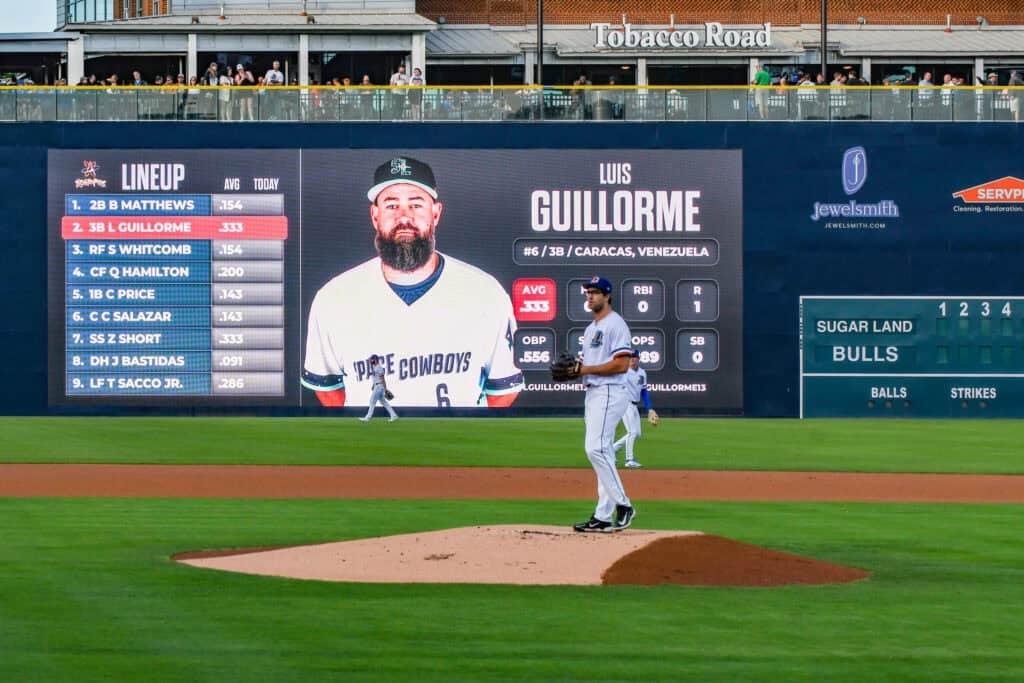
A Class A ballpark in the Southeast needed a durable front-of-stadium outdoor led panel that could withstand hurricane-force winds and direct coastal sun. We installed a Hydra Core 10mm panel with 7,500 nits brightness and a structural steel frame rated for 140 mph winds. The display doubles as event signage for concerts and community events on off-game days. The venue reported a 40% increase in weekday attendance after adding live out-of-town scores and interactive fan polls on the screen. See more completed LED projects on our site.
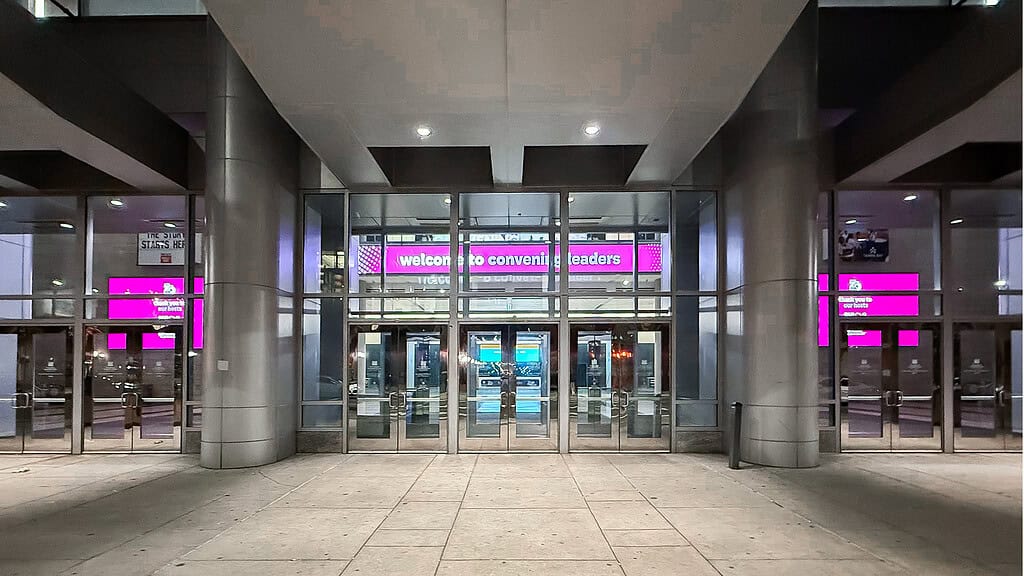
A convention center in Pennsylvania replaced its aging projection system with a modular indoor LED screen that adapts to trade shows, galas, and esports tournaments. The 15-foot-tall by 40-foot-wide display uses a 3.9mm pixel pitch Gemini series cabinet. Because the space hosts broadcast events, the screen’s 3840 Hz refresh rate ensures clean broadcast led capture with no visible scan lines. The client chose a rental-style setup with quick-release frames so the screen can be repositioned for different floorplans. This project exemplifies how a rental led display approach can serve permanent installations with added flexibility.
Every venue has unique requirements. Before selecting a system, consider the following:
If you are evaluating a digital scoreboard upgrade or a new sports arena led setup, work with a provider that handles design, fabrication, installation, and maintenance. This single-source approach reduces delays and ensures warranty coverage from day one.
Investing in LED displays for live sports and events is no longer optional for venues that want to compete for audience attention. From a single outdoor panel to a full 360-degree bowl installation, the right technology drives attendance, sponsorship, and fan loyalty. Contact our team to discuss your next project.
Cost varies by size, pixel pitch, and structural requirements. A typical college arena center-hung display ranges from $100,000 to $500,000 installed. For an accurate estimate, request a quote from UberDisplays for a custom proposal.
Yes, if the panel has an IP65 or higher rating and high brightness (5,000+ nits). Many venues choose outdoor-rated panels for indoor/outdoor flexibility, especially in retractable-roof stadiums.
Quality LED panels have a lifespan of 80,000 to 100,000 hours (roughly 9 to 11 years of continuous operation). Proper ventilation and routine calibration extend performance.
“Jumbotron” originally referred to a large CRT display, but today it describes any large stadium LED screen. An LED video wall is a more general term for a modular display system that can be configured in any size.
Yes. For broadcast and instant replay, you need a controller that supports dual-redundancy, multiple input sources (SDI, HDMI, NDI), and real-time image scaling. UberDisplays includes a proprietary controller with every sports-oriented system.