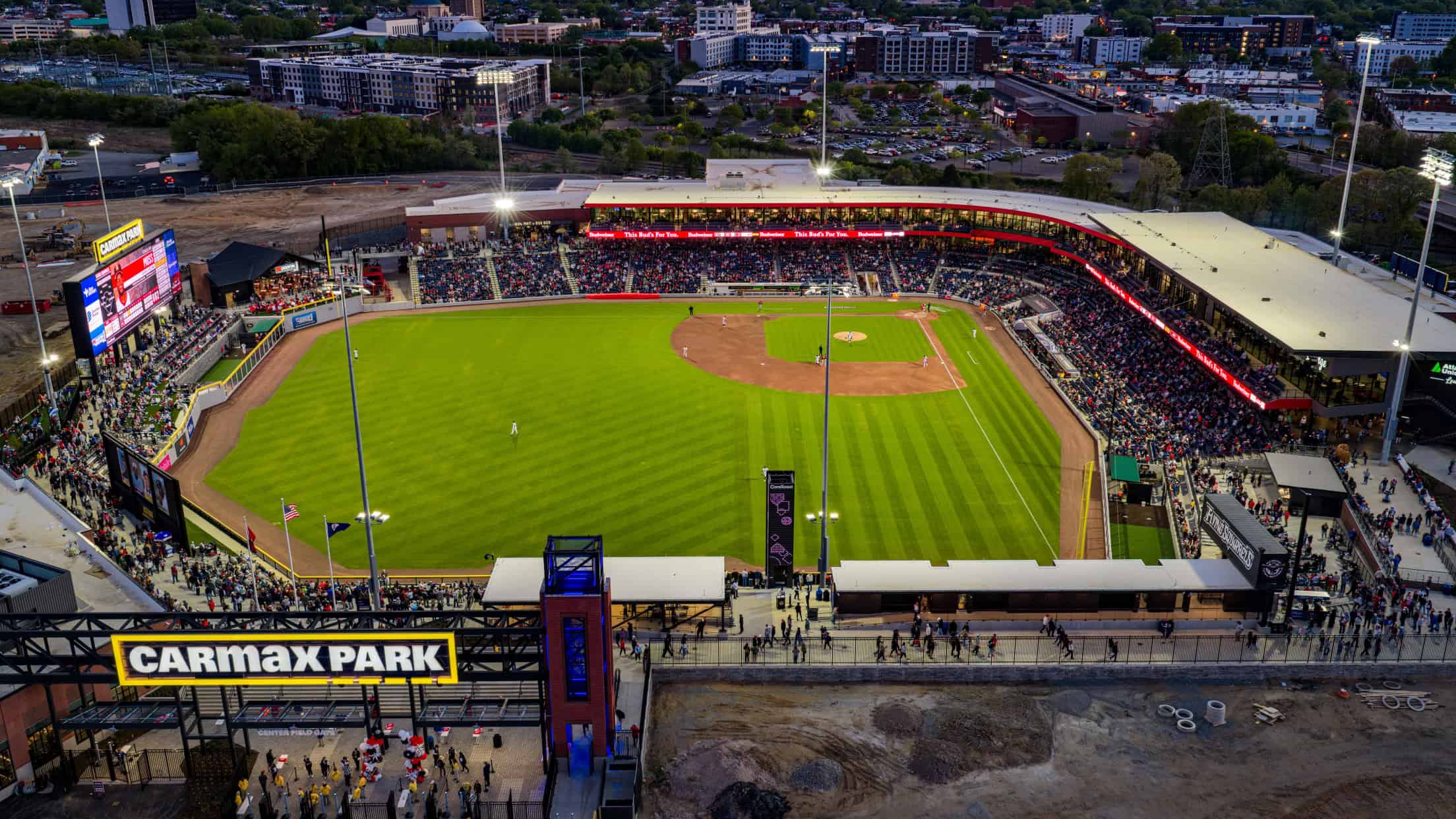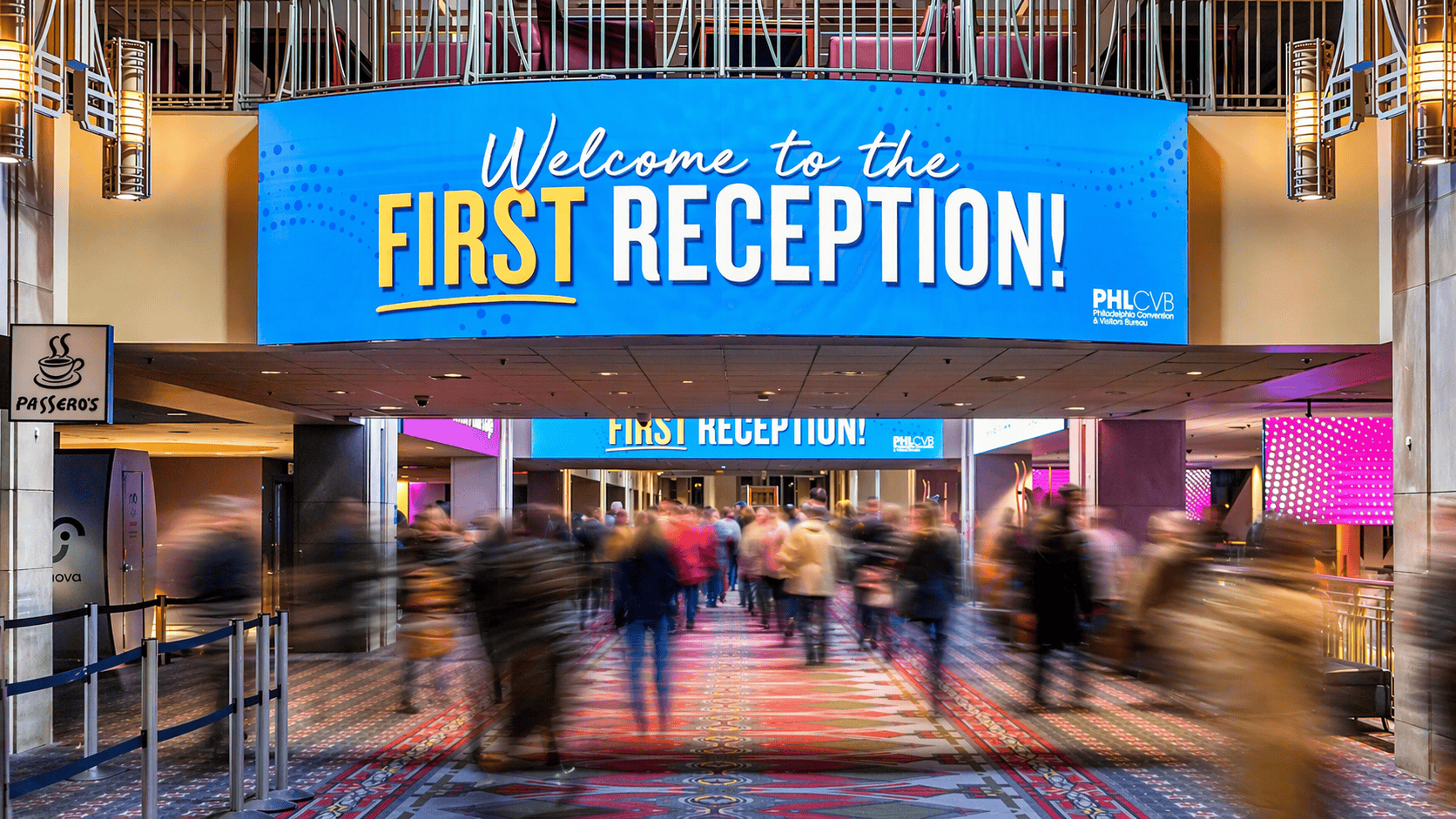
A single static banner at a conference captures attention for roughly two seconds. A dynamic LED video wall, on the other hand, holds attendee gaze for minutes and increases message retention by nearly 50 percent. For event planners, venue operators, and brand marketers, investing in digital signage for events is no longer a luxury. It is a necessity for standing out in crowded exhibition halls. Convention center managers, corporate campus operators, and live broadcast studio owners all see attendee interaction improve with the right visual technology. The ROI depends on selecting the correct screen type, placement, and content strategy for each venue’s unique layout and traffic patterns.
Why Digital Signage for Events Outperforms Static Displays
Attendees at trade shows and conferences expect real-time information. Static banners and printed schedules become outdated the moment a speaker changes or a breakout session is added. Digital signage for events updates instantly across every screen in the venue. High-brightness LED panels create an immersive atmosphere that drives foot traffic to exhibitor booths and sponsor activations. Centralized content management reduces the labor hours spent swapping out print materials, which cuts operational costs.
Studies show that venues using dynamic wayfinding displays reduce attendee confusion by 30 percent. This allows guests to spend more time engaging with content rather than searching for rooms. For organizers, this translates directly into higher sponsor satisfaction and repeat bookings. Event display screens also generate revenue opportunities. Sponsored content slots, rotating advertisements, and live social media feeds keep the audience engaged between sessions. Unlike printed materials, a single digital screen network can be repurposed for multiple events. The flexibility to switch between a conference agenda, a welcome message, and a live leaderboard means a single installation serves every event format scheduled at the venue. Imagine a sponsorship package that includes a 30-second video loop on every hall screen. That recurring visibility increases sponsor retention rates significantly.
Key Applications for Conference Signage and Trade Show Displays
Event venues require a diverse range of screen types to meet different functional needs. Conference signage works best at high-traffic intersections where attendees need quick access to session times and room locations. These screens often feature interactive kiosks that allow guests to search for specific topics or speakers.
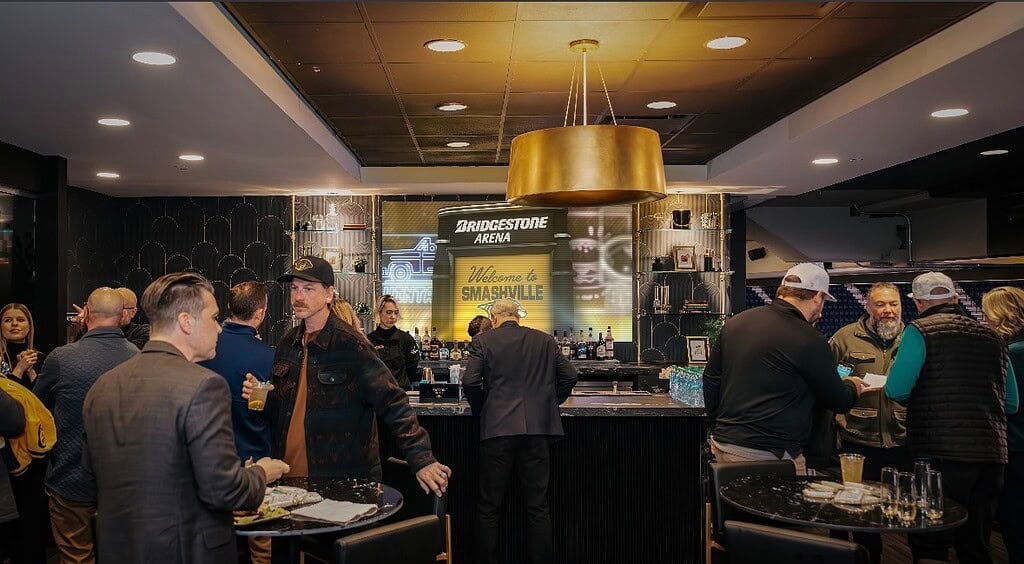
Trade show displays demand higher brightness and impact. Exhibitors want screens that pop under harsh exhibition hall lighting. Durable, high-nit LED panels from a trusted custom LED manufacturer ensure that sponsor messages remain visible from any angle. For large keynote stages, seamless video walls create a cinematic backdrop that reinforces brand messaging. Meanwhile, digital menu boards in on-site cafes and VIP lounges streamline food service. They can be updated instantly to reflect menu changes or promote event specials. Integrating these screens with a central signage content management system allows a single operator to control the entire venue from a tablet or laptop. This centralized control reduces labor costs and ensures consistent messaging across every touchpoint.
Choosing the Right Hardware for Event Audience Engagement
Selecting the right screen technology depends on the event type and venue environment. Indoor events benefit from fine-pitch LED series like the Gemini or Horizon, which deliver crisp 4K resolution for up-close viewing. Outdoor events or venue entrances require weatherproof solutions like the Hydra series. These panels are built to withstand rain, dust, and direct sunlight while maintaining ultra-bright imagery.
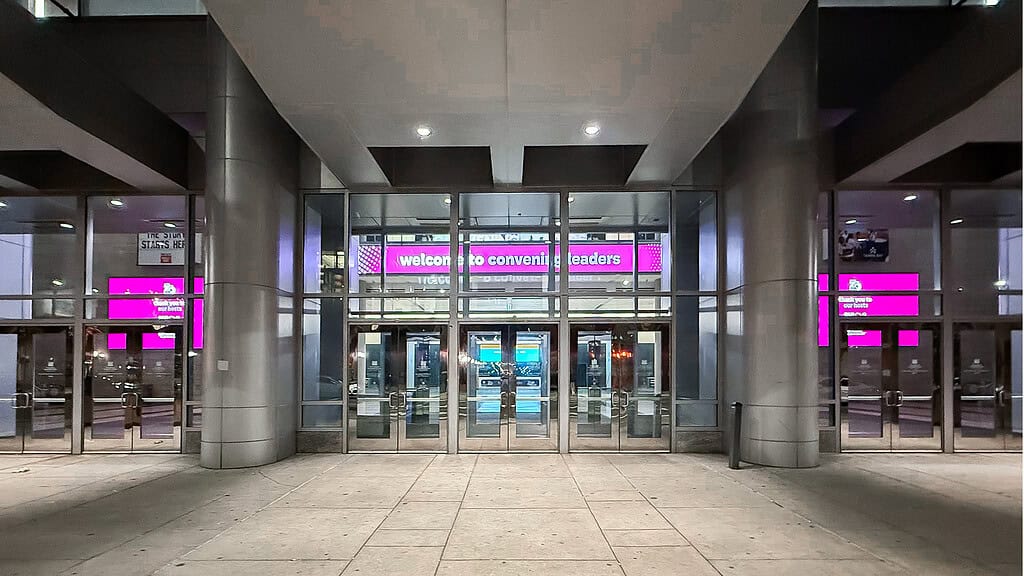
For live event streaming and broadcast integration, low-latency LED processors ensure that video feeds stay synchronized with audio. This synchronization is critical for watch parties, esports tournaments, and hybrid conferences where remote audiences join the action. Interactive touch overlays and capacitive touch kiosks add a layer of participation. They allow attendees to navigate maps, leave feedback, or enter contests directly on the screen. When planning an installation, partner with a company that offers full-service support, from structural engineering to pixel mapping. A reliable partner like UberDisplays ensures the digital signage for your events meet performance and safety standards. U.S.-based support and constant remote monitoring also means faster lead times and on-site technical assistance when you need it most.
Content Management and Strategy for Event Screens
A high-resolution LED wall without content management software becomes a static digital poster. A modern signage content management system (CMS) allows planners to schedule playlists, trigger emergency alerts, and integrate live data feeds such as weather updates or social media walls. Cloud-based CMS platforms make it easy to deploy content across multiple venues from a single dashboard. For digital signage software, look for features like drag-and-drop editing, real-time analytics, and API integration with existing event management platforms.
Effective content strategy for event screens relies on the three-second rule. Attendees should glance at a screen and immediately understand the key message. Use large typography, branded colors, and minimal text. Rotate calls to action with sponsor logos and speaker headshots. Dynamic QR codes can drive traffic to specific booths or digital giveaways. A/B testing different content layouts during a single event can reveal which formats drive the highest event audience engagement. Running two versions of a session schedule screen during morning registration and comparing dwell times provides clear data on what works. Regularly scheduled content audits ensure your messaging stays fresh and relevant.
Digital Signage Screen Types Compared
| Screen Type | Best Application | Key Feature | Recommended Series |
|---|---|---|---|
| Fine Pitch Indoor LED | Conference lobbies, keynote stages | 4K resolution, close viewing | Studio 1.9, Horizon |
| High Brightness Outdoor LED | Venue entrances, outdoor activations | Weatherproof, 5000+ nits | Hydra, Horizon |
| Interactive Kiosks | Registration areas, wayfinding | Touch screen, data capture | Digital Entry Displays and AIO |
| Video Walls | Main stages, brand experiences | Seamless bezel, high contrast | Vega, Studio 1.9 and AIO |
Measuring the ROI of Digital Signage for Events
Venue operators and event marketers need clear returns on technology investments. Digital signage for events delivers measurable improvements in three areas. First, attendee dwell time increases when dynamic content replaces static posters. Longer dwell time means more exposure for sponsors and exhibitors. Second, operational efficiency improves. Staff spend less time updating printed signage and answering directional questions. Third, direct revenue grows from sponsored content slots and premium digital advertising placements.
Track these metrics through your signage content management system. Many platforms offer heat mapping and engagement analytics. Survey attendees after the event to gauge recall of digital messaging. Compare these results to previous events that relied solely on print materials. Over time, the data will show that a well-planned indoor LED display network pays for itself within one to three events. For venues hosting multiple annual events, the cumulative savings in print, labor, and increased sponsor revenue often exceed the initial hardware investment within the first year.
Bringing It All Together for Your Next Event
Coordinating screen content across lobbies, breakout rooms, and exhibition halls creates a unified visual environment that reinforces the event identity. The screens must work in sync with the audio system and lighting to deliver a polished presentation. Venues that invest in high-quality LED infrastructure attract higher ticket prices and more prestigious conferences. For brands, a striking trade show display can be the difference between a crowded booth and an empty one.
Ready to upgrade your event space? The first step is evaluating your venue’s specific layout, traffic flow, and content goals. From there, a professional consultation can determine the optimal screen sizes, pixel pitches, and mounting solutions. UberDisplays handles every step of the process, from custom design and fabrication to installation and ongoing support. Request a Quote for your custom LED project to get started on your next installation and give your audience something worth seeing.
Frequently asked questions
What type of LED screen is best for a large conference?
For large conferences, fine-pitch indoor LED screens like the Gemini or Horizon series offer the best balance of resolution and size. They are ideal for keynote stages, breakout rooms, and high-traffic lobbies where attendees view content from various distances.
Can I use the same digital signage for multiple events?
Yes. With a centralized signage content management system, you can create playlists for different event types and switch between them instantly. This makes digital signage a reusable asset that lowers per-event marketing costs compared to printed materials.
How do I ensure my trade show display stands out?
Focus on brightness and content. High-nit LED panels cut through exhibition hall lighting. Pair the hardware with dynamic content that loops sponsor messages, product demos, and live social media feeds. Interactive kiosks can further boost booth traffic and engagement.
Do you offer digital signage software with your LED screens?
Yes. UberDisplays provides compatible digital signage software and content management solutions with our LED installations. Our team helps you select the right platform and configure it to your specific event needs.
How long does it take to install permanent event signage?
Timelines vary based on project complexity and screen size. Typical installations for indoor event spaces take between two and six weeks from design approval to completion. Outdoor projects may require additional structural engineering time. Contact us for a timeline specific to your venue.