Understanding Direct View LED Technology
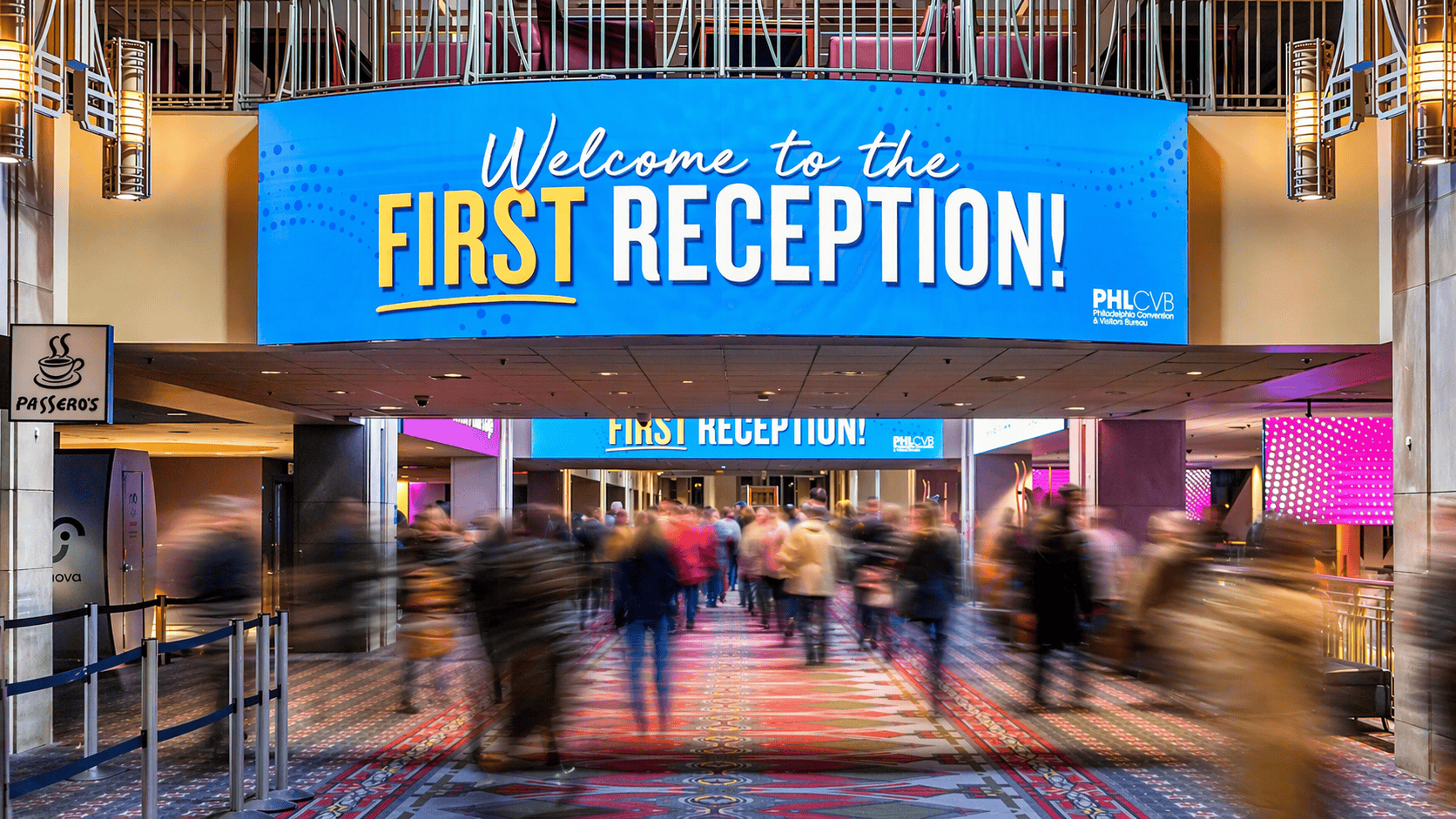
Direct View LED (dvLED if you want to sound like you know your stuff) eliminates the LCD panel entirely. Instead of using a backlight and liquid crystals, a Direct View LED display uses a surface array of many tiny colored LEDs to produce the red, blue, and green colors that form a full image. Because you’re viewing the illumination directly, there’s no glass or other surface between the light source and your eyes.
Because those LEDs switch fully off, you get true blacks and dramatically deeper contrast than any backlight-based system can produce, along with more vivid, accurate color and a brighter picture overall. That’s the core of what makes dvLED worth understanding.
Understanding LCD Video Wall Technology
An LCD video wall relies on a liquid crystal display panel illuminated by a backlight. The liquid crystals act as shutters, allowing varying amounts of light to pass through color filters to create an image. LCD video walls have been a standard solution for signage and video displays in venues for years. They offer good image quality and are generally less expensive upfront than Direct View LED systems.
But because the LCD panel sits between the viewer and the light source, contrast and brightness are fundamentally limited compared to direct view technology. LCD panels also require bezels between individual screens, which create visible seams across any multi-panel video wall configuration.

Comparing Direct View LED vs LCD Video Walls
When you’re deciding between Direct View LED and LCD for your venue, a few key differences will likely make the direction pretty clear.
| Feature | Direct View LED | LCD Video Wall |
| Brightness | Higher brightness; better suited for well-lit environments | Lower brightness; can struggle in bright ambient light |
| Contrast | True blacks when LEDs are off, producing dramatically deeper contrast | Limited contrast due to backlight bleed through the LCD panel |
| Color Clarity | More vivid, accurate color reproduction | Good color, but can appear less saturated |
| Lifespan | Longer lifespans with stable brightness over time | Shorter lifespan; backlight degrades and panels can yellow over time |
| Depth & Space | Shallow depth; does not require as much clearance behind the display | Typically deeper due to backlight housing and panel structure |
| Energy | Generally more energy-efficient in typical operation; LEDs draw no power when displaying black | Less efficient because the backlight remains on even for dark scenes |
| Initial Cost | Higher initial cost, though the gap is closing as dvLED becomes more common | Lower initial investment traditionally |
| Seams | Seamless array; no visible bezels between modules | Bezels between panels create a visible grid across the image |
Which Venue Should Choose Direct View LED?
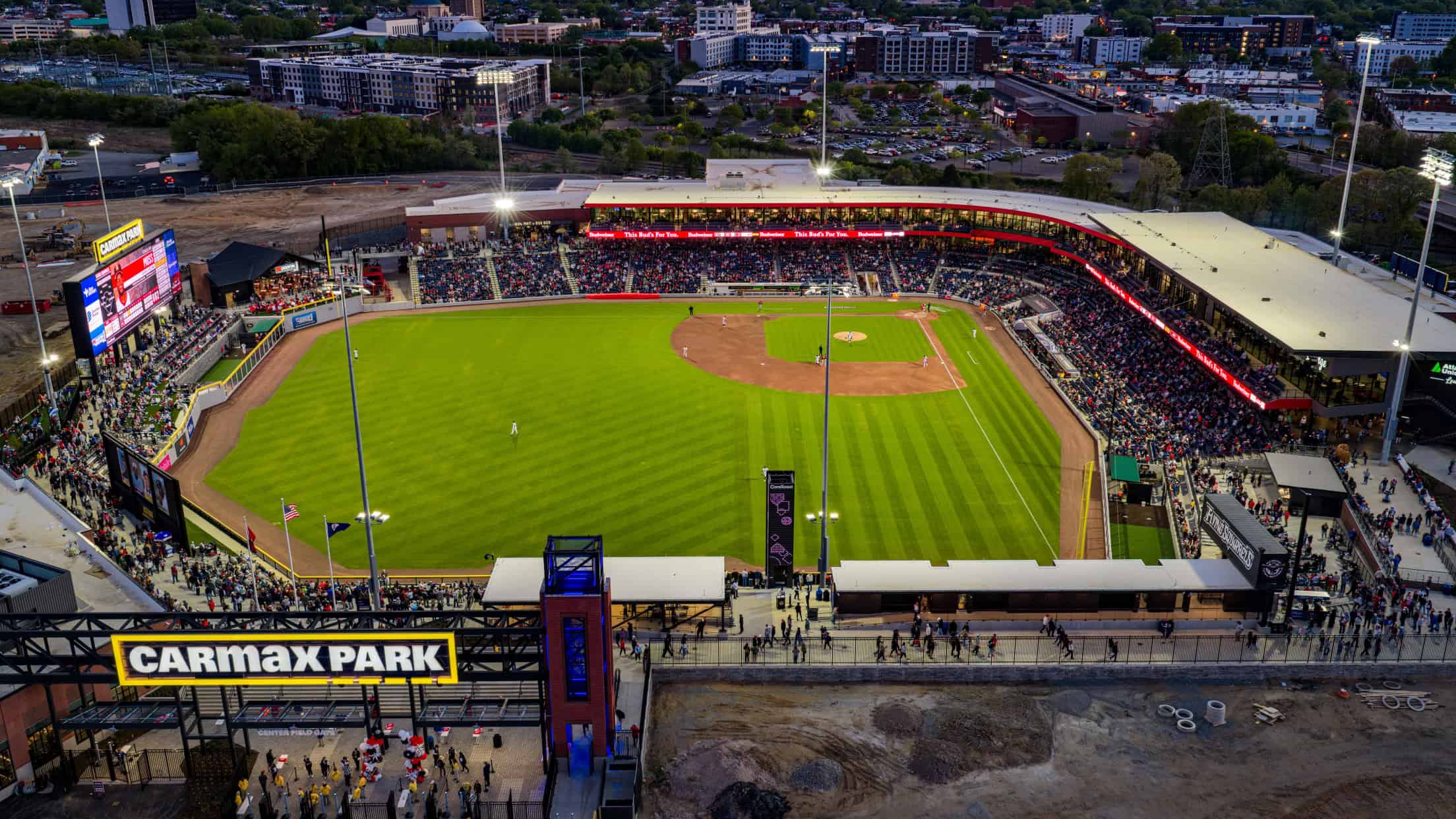
Direct View LED is a strong choice for any venue where image quality and long-term durability matter. Sports venues, broadcast studios, concert halls, and houses of worship all benefit from vivid color, seamless viewing surfaces, and a display that holds up to heavy use. The shallow depth also works in your favor if you’re retrofitting a space with limited wall clearance. And if your displays are running many hours a day, the energy efficiency of dvLED can meaningfully offset the higher upfront cost over the life of the system.

Considerations for Education and Event Spaces
Colleges, universities, and K–12 schools increasingly turn to Direct View LED for campus signage, auditoriums, and athletic facilities. Eliminating bezels means large, unified messages display without a distracting grid cutting through the image. The slim profile makes retrofitting older buildings much more practical. And for live event spaces, the brightness advantage means your display stays readable even when stage lighting is working against you.
When LCD Video Walls Still Make Sense
LCD remains a viable option when budget is the primary constraint or when the display will live in a controlled lighting environment. For conference rooms, lobby signage, or digital menu boards where extreme brightness isn’t a requirement, LCD can still get the job done at a lower initial cost. That said, as the price gap between the two technologies continues to close, more venues are finding that the long-term advantages of dvLED justify the difference.
Limitations of LCD in Large Installations
Scale is where LCD’s bezels become a real problem. Even the thinnest bezel designs still leave a visible grid across the image, which is hard to ignore in broadcast or immersive event environments where a seamless picture is essential. Add in the fact that LCD backlights can degrade unevenly over time, creating patches of diminished brightness that require full panel replacements, and the long-term cost picture shifts considerably.
Frequently Asked Questions
Which is cheaper: Direct View LED vs LCD video walls?
LCD has a lower entry price, but that gap is closing. Over time, dvLED often comes out ahead on total cost of ownership thanks to its longer lifespan, better energy efficiency, and lower maintenance needs. How the math works out depends on how many hours your display runs and what your venue requires.
Does Direct View LED last longer than LCD?
Yes, and by a meaningful margin. LED modules stay bright and consistent over time, and if a pixel ever fails, you can replace just that module. With LCD, a failing backlight typically means swapping the entire panel.
Can Direct View LED be used outdoors?
Direct View LED is available in both indoor and outdoor configurations. The inherent brightness and lack of a glass surface make it well suited for outdoor applications like stadium scoreboards and building signage. That said, outdoor suitability depends on the specific product series and weatherproofing ratings, so it’s worth verifying with your manufacturer.
Is Direct View LED better for bright rooms than LCD?
Yes. Because dvLED eliminates the LCD panel that blocks some of the light output, it produces a significantly brighter picture. If your space has high ambient light, such as a lobby, atrium, or sunlit concourse, LCD screens tend to wash out. dvLED doesn’t have that problem.
What is the main difference in installation depth?
Direct View LED displays are built from flat modules that mount directly to a structural frame, so they need very little clearance behind the wall. LCD video walls require more space for backlight housings and cooling. If your wall depth is limited, dvLED’s slim profile is a straightforward advantage.
Choosing between Direct View LED and LCD ultimately comes down to balancing upfront budget against long-term performance. For venues that prioritize brightness, color accuracy, a seamless image, and energy savings, dvLED is the stronger choice. LCD remains practical when cost is the first priority and the viewing environment is controlled. As the market continues to shift, Direct View LED has become the standard recommendation for virtually every serious installation, from broadcast studios and sports venues to university athletic facilities and houses of worship.
If you’re working through this decision for your space, we’re happy to walk you through it. Contact us or get started with our Project Planner.