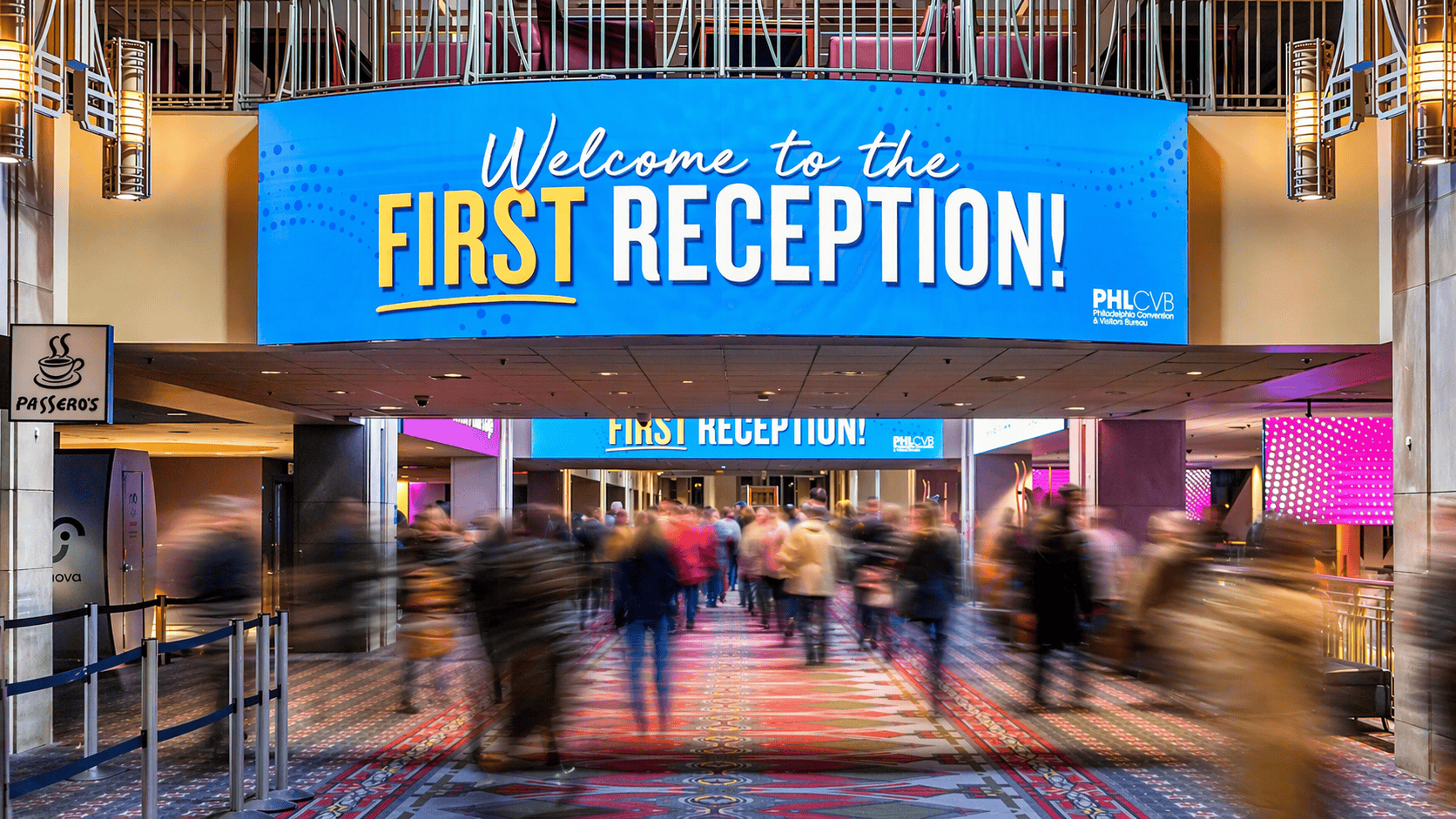
New customers often ask us “what is Direct View LED (DVLED) and how is it different than LCD?” DVLED displays represent a significant shift in large-screen video technology. Unlike traditional LCD panels that use a backlight or edge light to illuminate an LCD shutter, DVLED eliminates the LCD layer entirely. Each pixel is a tiny, self-emissive light-emitting diode, or a cluster of red, green, and blue diodes, that directly produces light and color. This design enables contrast ratios, brightness levels, and color saturation that LCD displays often cannot match. For venue buyers, whether outfitting a stadium, convention center, house of worship, or broadcast studio, understanding DVLED helps make informed decisions about performance, cost, and long-term value.
How Direct View LED Technology Works
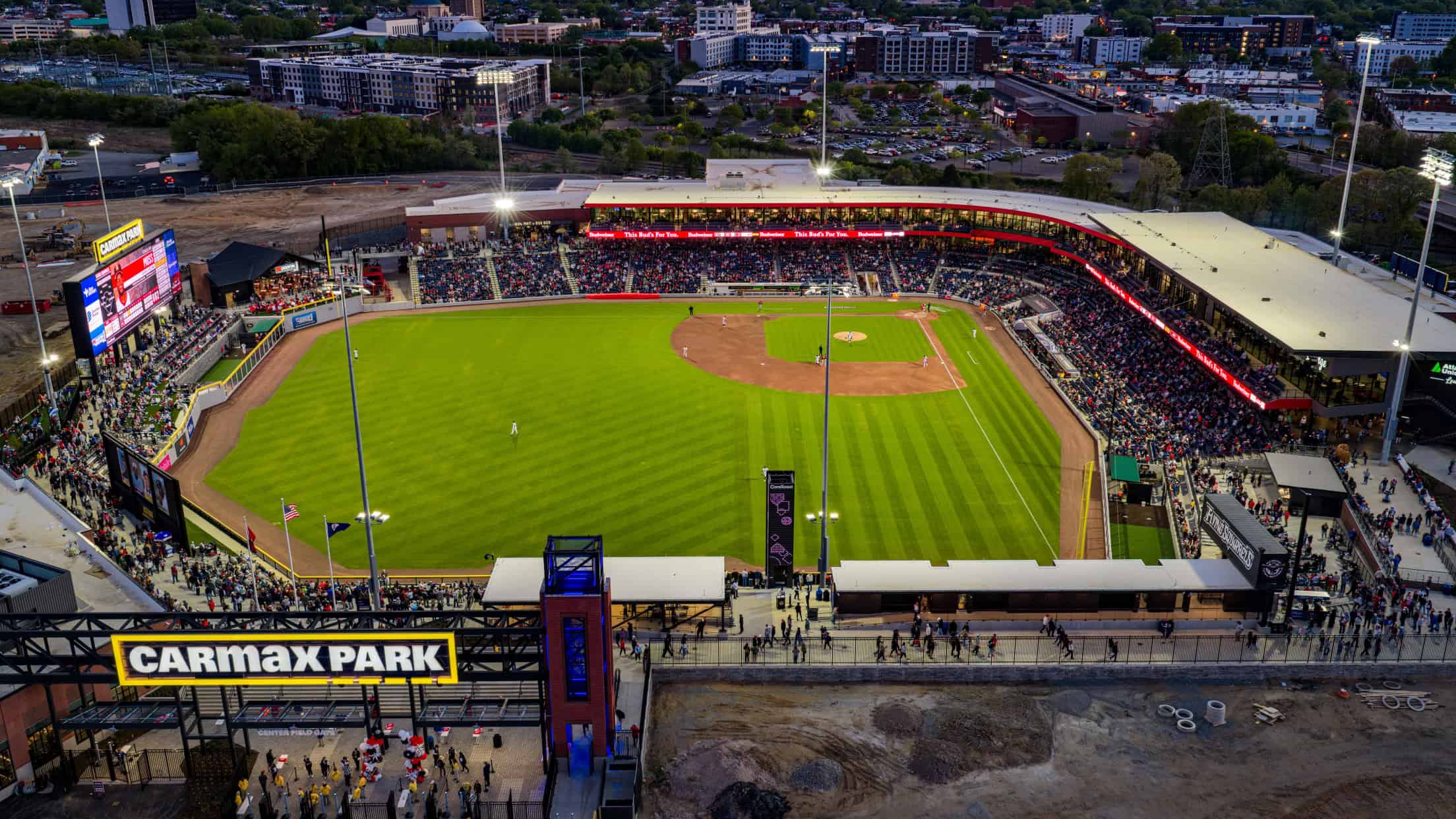
A Direct View LED panel is built from a grid of individual LEDs that form pixels. Each full-color pixel typically contains one red, one green, and one blue diode. By varying the intensity of each color, the display can produce a very wide color gamut. At UberDisplays, we explain DVLED in practical terms: because the LEDs themselves are the pixels, there are no bezels or gaps between panel edges, allowing seamless video walls that can be built to virtually any size, including very large-format installations for venues and public spaces, including 100 feet or more like the board at Carmax Park in Richmond, VA.
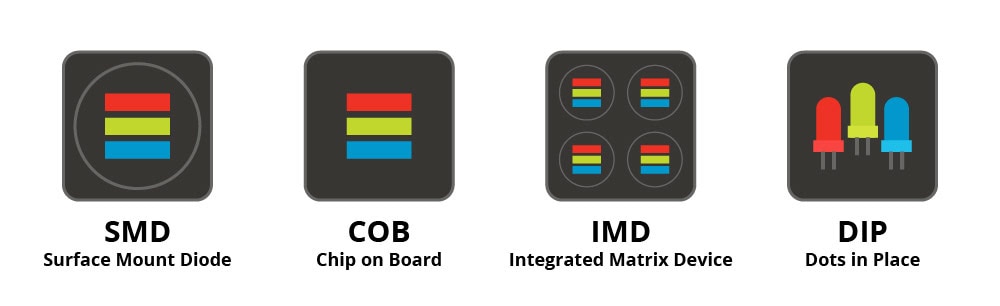
Pixel Technologies: COB, IMD, SMD, and DIP
Key Factors for Venue Buyers
Choosing the right Direct View LED system involves balancing several technical specifications against the specific needs of the venue and the viewing audience. The most critical factors are pixel pitch, brightness, contrast, durability, and total cost of ownership.
Pixel Pitch and Viewing Distance
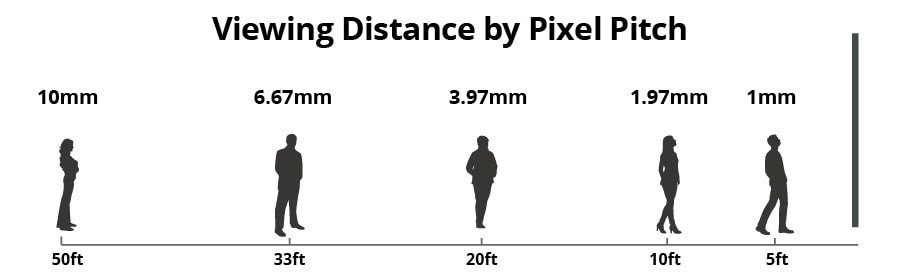
Pixel pitch is the distance in millimeters between the center of one pixel and the center of the adjacent pixel. A smaller pixel pitch means higher pixel density and sharper image quality at close distances. At UberDisplays, we typically guide buyers using a simple rule of thumb: the closer the audience is to the screen, the finer the pixel pitch should be. For example, a 2 mm pitch is often suitable for viewers around 10 feet away, while larger venues with longer viewing distances can use wider pitch. Pixel pitch is one of the biggest factors affecting both image clarity and budget.
Brightness and Contrast
Venue lighting conditions dictate brightness requirements. For indoor environments, lower brightness (around 600–1500 nits) is typical, while outdoor or sunlit areas may need 5000 nits or more. At UberDisplays, we advise matching brightness and contrast to the ambient environment so the display remains vivid without overspending on unnecessary output. Because DVLED is emissive and does not rely on a backlight, it can deliver deep black levels, strong contrast, and excellent visibility in a wide range of lighting conditions.
Durability and Environmental Ratings
For outdoor or semi-outdoor installations, an IP rating is critical. At UberDisplays, we advise buyers to confirm that the enclosure rating matches the environment, including exposure to dust, moisture, and temperature changes. Indoor displays typically have lower ingress protection but still require proper ventilation and support. The panels themselves are often lighter and generate less heat than traditional backlit display systems, contributing to long-term reliability when properly installed and maintained.
Lifespan and Warranty
Lifespan and warranty terms vary by manufacturer, so venue buyers should verify these details for the specific product they are considering. At UberDisplays, we encourage customers to evaluate expected operating hours, serviceability, thermal performance, and warranty coverage together rather than looking at lifespan in isolation. In many applications, the long service life and lower heat output of DVLED can contribute to a lower total cost of ownership over time. Under normal operating conditions all of our LED panels have an expected lifespan of 100,000 hours which is equivalent to 11.4 years of continuous use.
Direct View LED vs. LCD: What Venue Buyers Should Know
The core difference between Direct View LED and LCD is how the image is created. LCD relies on a backlight or edge light that passes through a liquid crystal layer and a color filter. This transmissive approach limits contrast because some light always leaks through, even in dark areas. DVLED is emissive: each pixel generates its own light, so black pixels emit no light at all, giving true black and extreme contrast. DVLED panels can be built wall-sized without bezels, while LCD video walls always have visible borders between panels. DVLED also tends to be lighter and produce less heat, which can reduce HVAC load in enclosed spaces. However, for smaller screens or applications requiring very high pixel density (such as close-up desktop use), LCD can still be a cost-effective choice.
Planning a Direct View LED Installation
Successful DVLED installation requires careful pre-installation planning. At UberDisplays, our recommended site assessment includes checking power availability, cable routing, wall flatness, mounting conditions, ventilation, and potential physical obstructions. Structural support must be verified, as large displays can be heavy, and electrical planning should include dedicated circuits and proper grounding where required. For government or institutional projects, compliance requirements may also affect product selection. Professional installation is strongly recommended to ensure accurate alignment, calibration, and safe mounting. Professional installation ensures warranty coverage.
Frequently Asked Questions
What is Direct View LED?
Direct View LED is a technology used for displaying images and videos where each individual pixel is a light emitting diode comprised of 3 colors Red Green and Blue. see 40visuals.com
Can Direct View LED be used outdoors?
Yes, many DVLED panels are designed specifically for outdoor use. At UberDisplays, we recommend choosing outdoor-rated products with appropriate weather protection and enough brightness to compete with direct sunlight. Outdoor installations should always use panels certified for the intended environment and mounting conditions (usually IP64 or better).
How long does a Direct View LED display last?
Lifespan varies by manufacturer and by how the display is used. At UberDisplays, we advise buyers to consider operating hours, brightness settings, heat management, and maintenance practices when estimating service life. With proper specification and care, a quality DVLED system can deliver 11+ years of reliable performance.
What pixel pitch do I need for my venue?
Pixel pitch depends on the closest viewing distance. At UberDisplays, we generally recommend finer pixel pitch for audiences seated closer to the display and wider pitch for displays viewed from farther away. For example, a venue where viewers sit around 20 feet away may use a wider pitch than a lobby or retail display viewed from 10 feet. Smaller pitch improves image detail, but it also increases cost, so the best choice balances clarity with budget.
Is Direct View LED cheaper than LCD over time?
In many cases, Direct View LED can offer a lower total cost of ownership over time, even if the upfront investment is higher than LCD. At UberDisplays, we encourage buyers to compare lifespan, energy use, maintenance requirements, and serviceability when evaluating long-term value. The right answer depends on the application, operating schedule, and performance expectations.
So, What is Direct View LED? It is a mature, high-performance display technology that gives venue buyers the flexibility to create seamless, bright, and durable video walls at virtually any scale. By understanding pixel pitch, brightness, environmental ratings, and installation requirements, buyers can match the right product to their specific application. For large venues where image quality and longevity matter, DVLED has become a standard choice.